

Art Versus Marketing
Why good books can be the hardest to market


Writing and publishing a book involves a lot of hurrying and waiting. When I was writing my first draft, I spent every day researching, plotting, writing, or editing my book, and then, once I submitted my draft, everything stopped for months. And then, once I received feedback, I went back to editing every day. Now, I'm in another waiting stage while the book is under academic review. While waiting, my mind doesn't go wholly idle but drifts to the next stage– which will be marketing. Now that the book is nearly done, I need to figure out how to pitch it to readers. What's the snappy takeaway I can say during interviews to convey the book's message? What's the synopsis? What's the subtitle? I don't know the answers to those questions yet. Switching from writing the thing to marketing the thing is a hard transition. And I can prove why that is:
By definition, good writing is concise. A good piece of writing should only be as long as it needs to be. If the book's message could be conveyed in an article, it should be an article. If an article's message could be conveyed in a tweet, it should be a tweet.
Therefore, given that books are more than 50,000 words, a good book conveys a message that is too complex for a work that is less than 50,000 words long.
A book synopsis should be several hundred words; a book pitch should be a couple hundred words; a book subtitle should be less than 10. Therefore, if a book is good, the synopsis, the pitch, and the title of a book will never convey the complexity of the message of the book.
Bad books can be easy to market. Steve Harvey's 2009 relationship self-help book, Act Like a Lady, Think Like a Man, has a catchy title that perfectly conveys the message of his book. But that's because the message is so simplistic. You don't need to read his book to understand what his book is about; the title says it all.
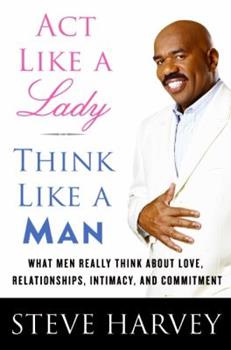
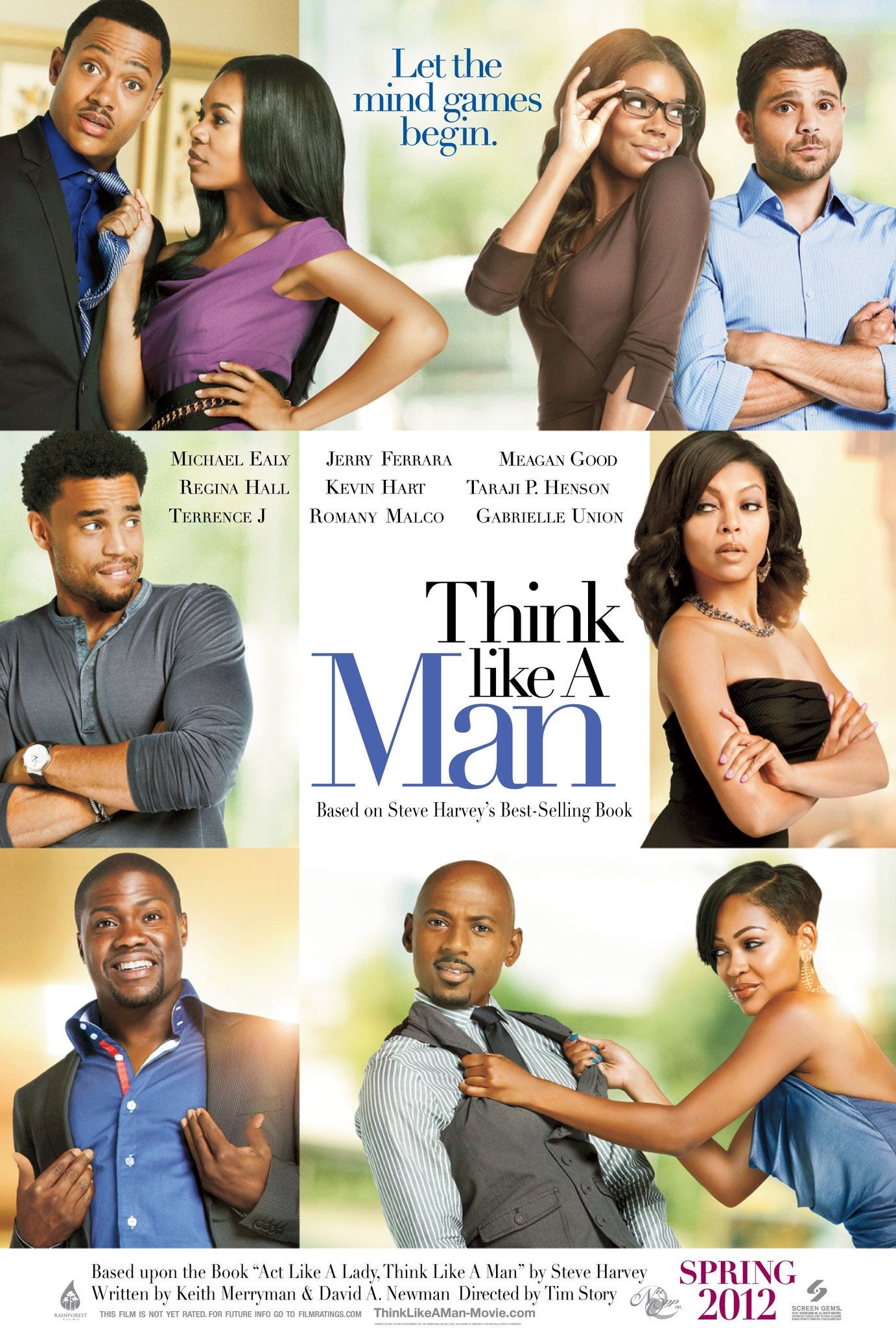
Steve Harvey also had the benefit of an existing brand, given his fame. Existing brands don't have to deal so much with the problem of marketing. That's one reason why there are so many sequels published: Freakonomics, Superfreakonomics, and Think Like a Freak, for example. Sequels and rehashes are even more prevalent in film and TV, where studios are risk averse about losing the large upfront costs they put into production. Studios would rather pay to acquire the rights to an existing brand like Star Wars, Dune, or even the screen version of Act Like a Lady, Think Like a Man, than take a risk on an original idea because good original ideas are much harder to pitch to audiences.
It pains me that any summary of what my book is will necessarily fall short of what the book actually is. And since this is my first book, I don't have the benefit of an existing brand as an author. So, I'm focusing on an alternative marketing strategy: building trust with readers.
If you trust that I have written a good book, I don't need the perfect subtitle, synopsis, or pitch. But, to gain your trust, I must earn it. I have to show you, here in my Substack, that I consistently write stuff worth reading.
Media Round-Up
Fortune: Real-estate industry rocked by $1.8 billion verdict finding ‘conspiracy’ to force sellers to pay illegal commission fees
The verdict of the case surprised some industry experts. For one, Daryl Fairweather, chief economist at Redfin, was impressed that the jury understood the complex antitrust arguments about market power well enough to rule for the class.
KPBS: What San Diego's high cost of living means for millennials and Gen Zers
Daryl Fairweather: “Since the pandemic, San Diego has been a top migration destination for people leaving Los Angeles or San Francisco. And those people are coming with money and they're willing to spend. So with the added population and the added money flowing in , it drives up the cost of housing and makes it even harder for first time homebuyers who may be long , long term residents of San Diego.”
WTOP: 1 in 8 DC-area home sales are falling through
“Back when interest rates were really low and there were multiple offers, one way buyers could get an offer accepted was to put down a lot of earnest money. But buyers don’t need to do that anymore, so when they’re walking away, they’re not walking away from their life savings. They might be walking away from just a couple of thousand dollars,” said Redfin chief economist Daryl Fairweather.
How do you give me so much to think about in such a short newsletter? Thank you for another top-notch article. I’m the ‘economics avoidant’ reader, seriously considering whether I might actually purchase a book on the topic. And I haven’t even read the summary or subtitle...